October 29, 2026
Homeowners often rely on familiar advice when maintaining their plumbing systems, but not every widely repeated tip is accurate. Some misconceptions can lead to unnecessary repairs, water damage, and avoidable expenses. Understanding how household pipes, drains, and fixtures work can help you make better decisions about routine maintenance and unexpected problems.
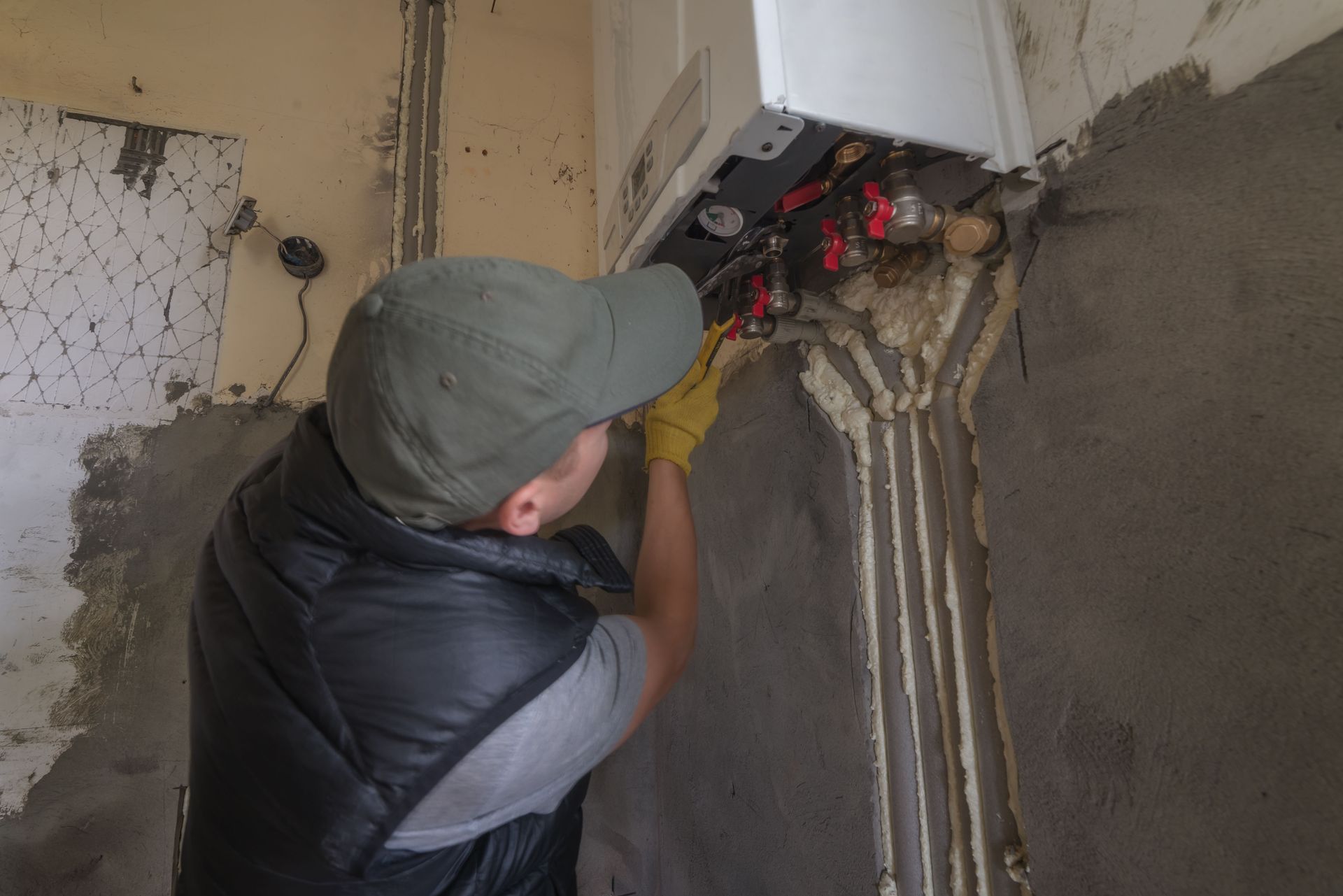
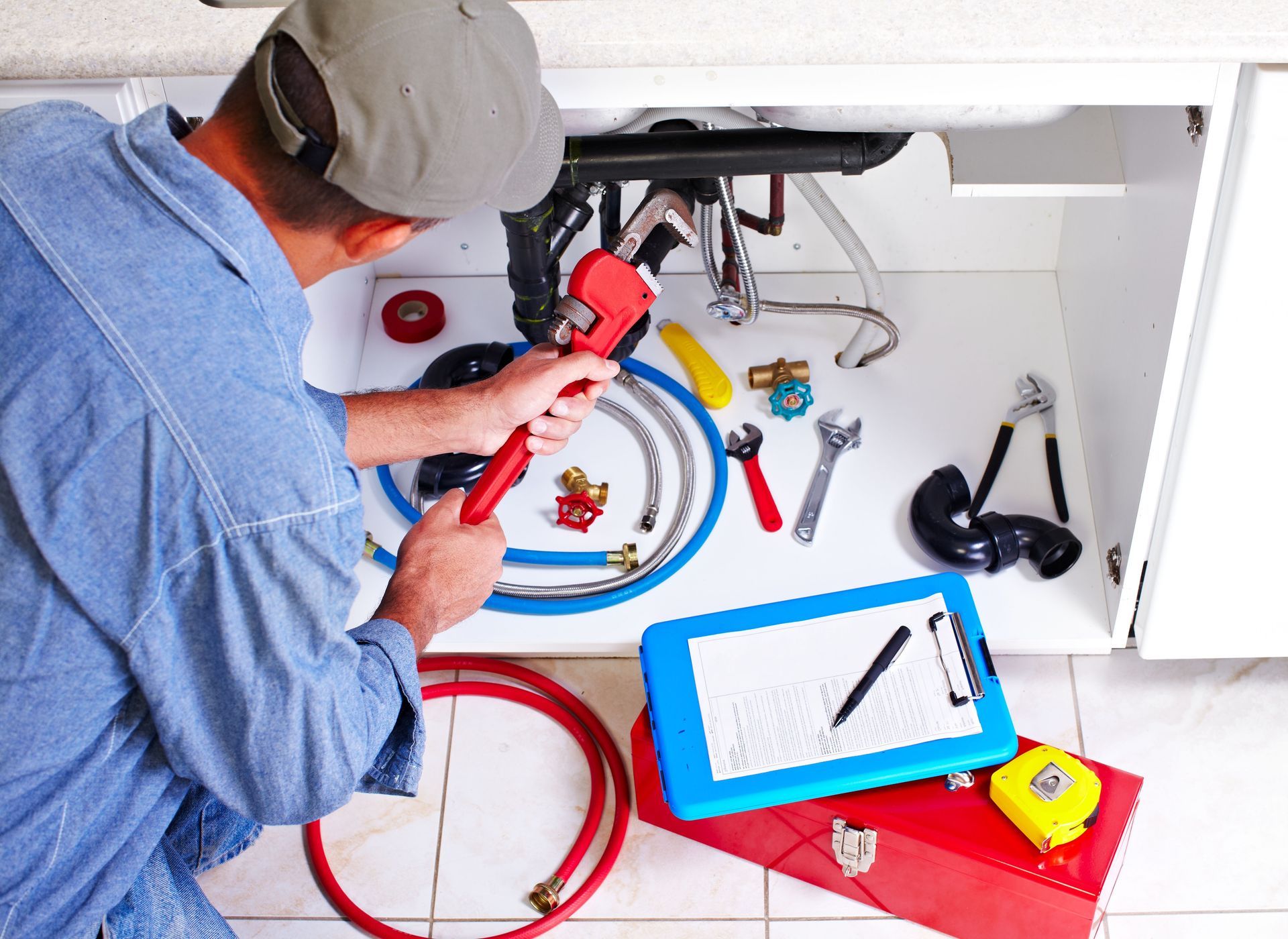
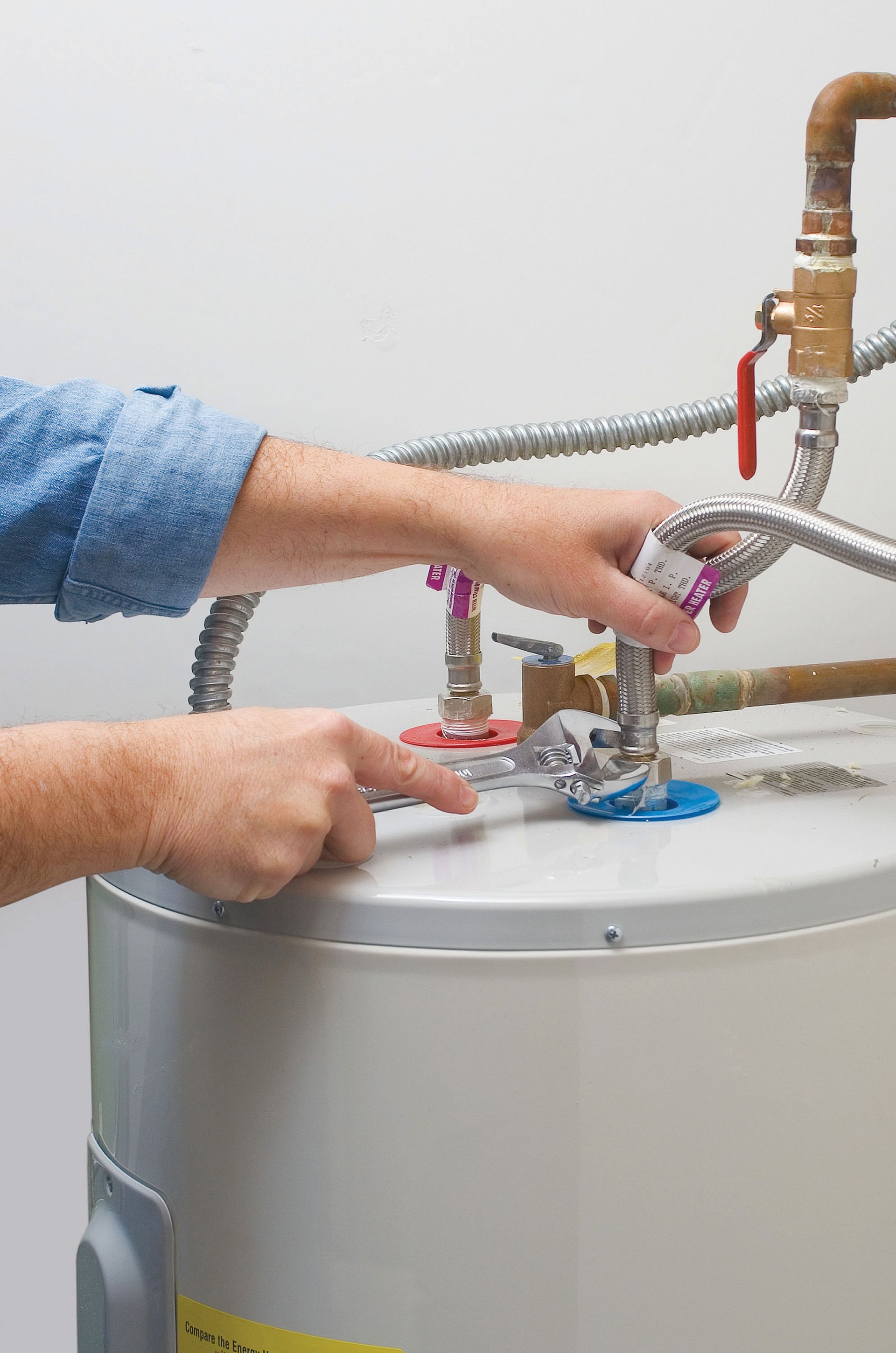
An experienced plumbing professional can distinguish practical maintenance habits from advice that may put your home's plumbing at risk. By examining three common plumbing myths, you can learn what to avoid and when professional assistance may be necessary.
Myth 1: Pipes Can Only Freeze if Temperatures Are Below Freezing
Why Pipes Can Freeze in Unexpected Conditions
Homeowners sometimes assume frozen pipes are only a concern during extreme cold spells. However, plumbing lines in unheated basements, crawl spaces, garages, attics, and exterior walls may experience colder conditions than the main living areas. Even when indoor temperatures feel comfortable, poorly insulated pipes can remain vulnerable to freezing.
According to Smithsonian Magazine, water reaches its freezing point at 32 degrees Fahrenheit. When water inside a pipe freezes, ice can restrict water flow and contribute to pressure buildup. This pressure may cause the pipe to crack or burst, potentially releasing substantial amounts of water when the ice melts. Recognizing vulnerable areas before winter arrives can help prevent costly damage.
Insulation Helps Protect Vulnerable Pipes
Maintaining indoor heating is helpful, but it does not guarantee that every pipe will remain warm enough during cold weather. Gaps around windows, doors, foundations, and utility openings can allow cold air to reach exposed plumbing. Pipes in garages and crawl spaces may need additional protection even when the rest of the house stays warm.
Insulating exposed pipes creates a barrier against temperature fluctuations. Homeowners can also seal air leaks near plumbing lines and disconnect outdoor hoses before winter. During particularly cold periods, opening cabinet doors beneath sinks can allow warmer air to circulate through vulnerable pipes. These preventive measures work together to reduce the risk of freezing. A plumber can also recommend preventive maintenance to reduce the likelihood of recurring problems.
Frozen Pipes Need Prompt Attention
Reduced water pressure, unusually slow flow, and visible frost on exposed pipes can indicate that ice is forming inside a line. Continuing to use a fixture without investigating these warning signs may allow the problem to worsen. A pipe can sustain damage even before a homeowner notices a complete loss of water flow.
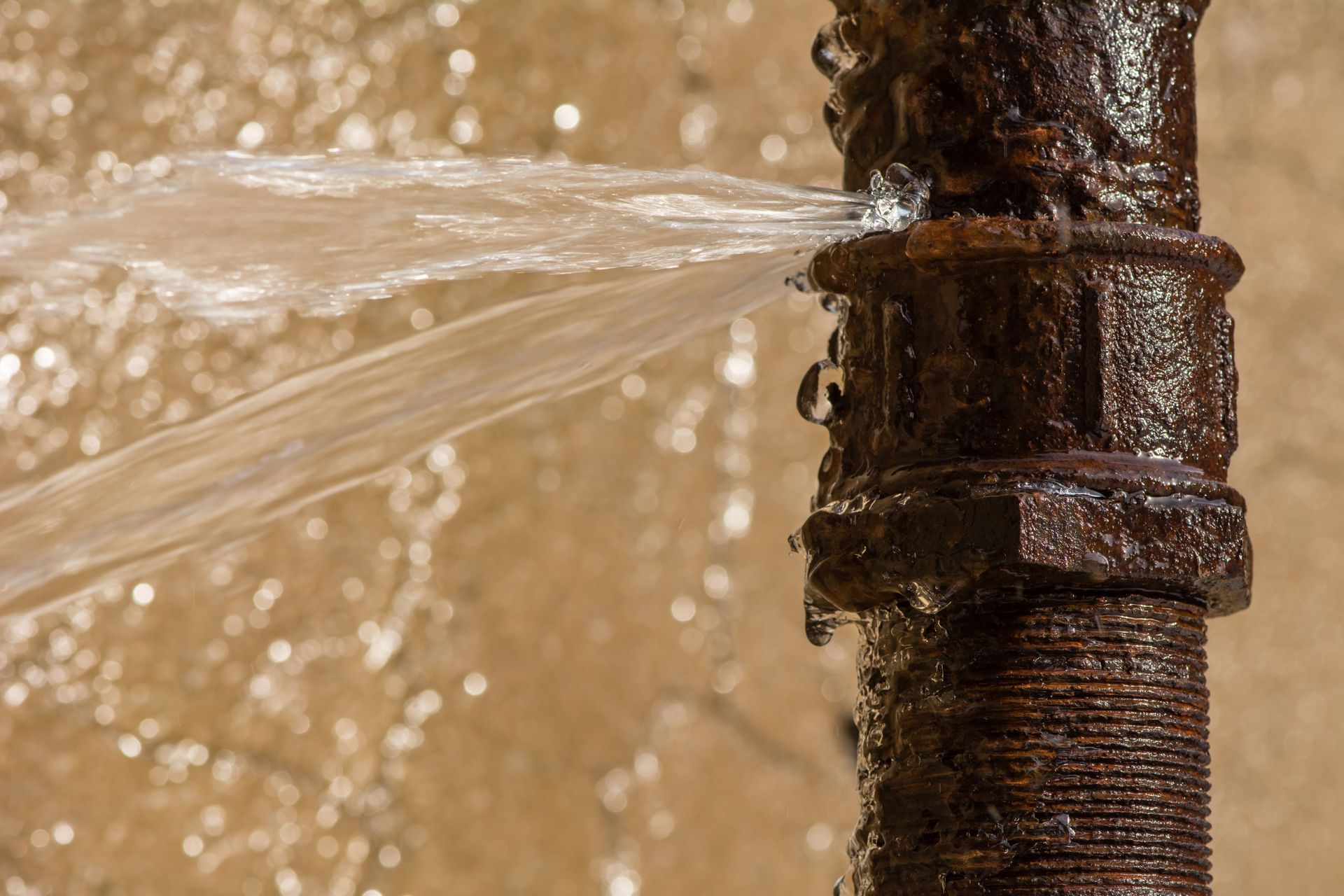
If you suspect a frozen pipe, avoid using an open flame or another high-heat source to thaw it. If a pipe has burst or is leaking, shut off the water supply when safe to do so and contact a plumber immediately. A professional can identify the affected section, check for damage, and recommend suitable repairs before the situation causes additional water damage.
Myth 2: Chemical Drain Cleaners Are the Best Solution for Any Clog
Chemical Products Cannot Remove Every Obstruction
Chemical drain cleaners promise convenience, leading many homeowners to reach for them whenever a sink or shower drains slowly. However, their effectiveness depends on the type and location of the blockage. Although some products can break down certain organic materials, they may not eliminate dense obstructions or objects lodged deep inside a pipe.
Hair, grease, soap residue, and food particles can accumulate within drainage lines. Repeated chemical treatments may fail to remove the underlying buildup while exposing pipes, seals, and other components to harsh substances. If the obstruction remains, the drain may continue to perform poorly despite repeated applications.
Recurring Clogs May Signal Deeper Problems
A drain that clears temporarily is not necessarily free of obstructions. Water may pass through a narrow opening in the buildup, allowing drainage to improve briefly before the problem returns. Grease, mineral deposits, and accumulated debris can continue restricting the pipe even when the immediate symptoms disappear.
Persistent clogs can also indicate problems farther down the drainage system. A damaged pipe, improper slope, or blockage in a shared drain line may affect multiple fixtures. For example, if a toilet bubbles when a nearby sink drains or several fixtures back up around the same time, the problem may extend beyond an individual drain. Identifying the underlying cause is essential to selecting an effective repair.
Mechanical Cleaning May Be More Effective
For minor clogs, a plunger or suitable drain snake may dislodge the obstruction without requiring harsh chemicals. Removing accessible debris from a sink stopper and cleaning routine drain components can also improve water flow. Homeowners should use tools carefully to avoid damaging fixtures or pushing an obstruction farther into the system.
When a clog persists or repeatedly returns, professional drain cleaning may be necessary. A qualified plumber can assess the affected line and choose an appropriate method based on the obstruction's location and severity. Depending on the situation, the solution may involve mechanical cleaning or a more thorough inspection. Addressing the source of the blockage can restore proper drainage and help prevent future backups. A plumber can explain which repairs are necessary and what maintenance can wait.
Myth 3: Small Plumbing Leaks Are Nothing to Worry About
Minor Drips Can Cause Significant Damage
A dripping faucet or a small amount of moisture beneath a sink may seem insignificant. Homeowners sometimes postpone repairs because the leak appears manageable or does not interfere with daily activities. However, even a slow leak can waste water continuously, cause an increase in utility bills, and contribute to property damage over time.
Leaks behind walls, beneath floors, or around water supply connections can be particularly difficult to detect. Persistent moisture may damage building materials, weaken cabinetry, and encourage mold growth. Discolored walls, peeling paint, musty odors, warped flooring, and unexplained damp spots can indicate a concealed plumbing problem. Investigating these warning signs early can help limit damage and reduce repair costs.
Tightening a Connection Does Not Fix Every Leak
Although a loose fitting can sometimes cause a leak, not every problem can be resolved by tightening a connection or applying sealant. Worn washers, deteriorated seals, corroded pipes, damaged valves, and failing supply lines can all allow water to escape. Applying excessive force to a damaged fitting may make the problem worse.
The appropriate repair depends on the leak's source and the condition of the affected components. A faucet may need a replacement cartridge, while a corroded pipe section could require replacement. If deterioration affects several sections of an older plumbing system, repiping may be worth considering. A qualified plumber can assess the damage and determine whether a targeted repair is sufficient or a broader solution is more practical.
Early Repairs Help Protect Your Home
Homeowners can reduce the risk of extensive water damage by checking visible connections, inspecting areas beneath sinks, and monitoring water bills for unexplained increases. Changes in water pressure, unusual pipe sounds, and moisture around water-using appliances may also indicate developing problems. Paying attention to these signs can help identify leaks before they cause more noticeable damage.
When a leak appears, shutting off the appropriate water supply can limit water loss while you arrange a repair. If the source is unclear, the leak continues after closing a fixture's valve, or water spreads into walls or flooring, professional assistance is advisable. Consult a plumber if you notice persistent moisture or unexplained increases in your water bill. Prompt attention can help prevent a manageable leak from becoming a major repair.
Misleading plumbing advice can encourage homeowners to overlook warning signs, rely on ineffective treatments, or delay necessary repairs. Understanding frozen pipes, recurring drain clogs, and leaking fixtures makes it easier to protect your home's plumbing system. Routine inspections and appropriate maintenance can also help identify problems before they become more expensive to resolve.
When a plumbing issue persists, or its cause is uncertain, contact a qualified plumber from AM PM Plumbing for drain cleaning, leak detection, pipe repairs, or other services that keep your home's plumbing operating properly.