October 28, 2026
As temperatures drop, your household will likely depend more on hot water for showers, laundry, washing dishes, and other everyday tasks. A water heater that struggles to meet these demands can make winter less comfortable and leave you dealing with unexpected plumbing problems. Planning ahead gives you time to evaluate your current system and determine whether replacement makes sense.
Although a malfunctioning unit may seem like an inconvenience you can postpone, waiting until it stops working completely can create unnecessary stress. Working with a water heater professional before winter arrives can help you understand your options and prepare your home for the colder months.
Recognize the Signs That Your Water Heater Needs Replacing
Pay Attention to Your Water Heater's Age
Age is an important factor when deciding whether to replace your water heater. According to This Old House, most water heaters last approximately eight to 12 years and account for around 15% to 20% of household utility expenses. As a unit approaches the end of its expected lifespan, its performance may decline, and repairs may become more frequent.
If your system is nearing this age range, consider arranging an inspection before winter. A water heater contractor can assess its condition, identify signs of deterioration, and help you determine whether continued repairs are worthwhile. Replacing an aging unit before it fails can also give you more time to compare replacement options instead of rushing to make a decision when hot water becomes unavailable.
Watch for Changes in Water Temperature
Inconsistent water temperatures can indicate that your water heater is struggling to operate properly. You might notice that your shower turns cold unexpectedly, your water takes longer than usual to heat up, or different fixtures produce inconsistent results. These problems can stem from failing components, sediment accumulation, or other issues affecting the system's performance.
Before assuming replacement is necessary, have a qualified water heater contractor investigate the cause. Some temperature problems can be corrected with targeted repairs, while others indicate that the unit is approaching the end of its useful life. Addressing these symptoms early helps you understand the available solutions and avoid waiting until the system can no longer provide adequate hot water.
Look for Leaks, Corrosion, and Unusual Noises
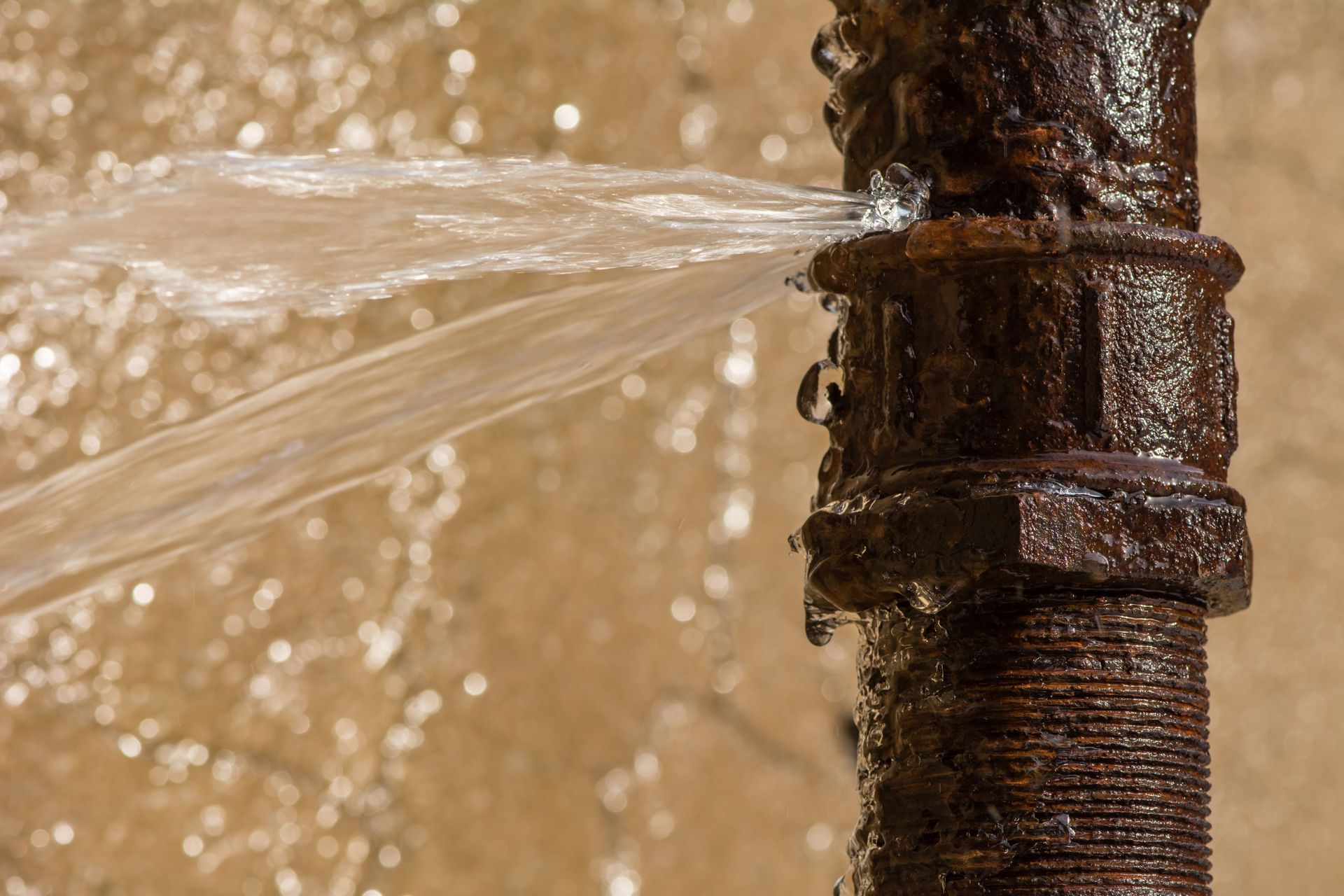
Physical warning signs can also indicate that your water heater needs attention. Rust on the tank, corrosion around connections, water collecting near the unit, or unusual popping and rumbling noises may point to developing problems. Although some noises result from sediment buildup, visible leaks or significant corrosion can signal more serious deterioration.
Schedule an assessment if you notice any of these symptoms, particularly before winter increases your household's hot water demands. A water heater contractor can inspect the tank, connections, and accessible components to determine whether a repair is appropriate. If the tank itself is leaking or severely corroded, replacement may be the more practical solution. Prompt attention can also help limit water damage and prevent a minor plumbing concern from becoming a larger problem.
Understand the Benefits of Replacing Your Water Heater Before Winter
Reduce the Risk of Unexpected Breakdowns
A failed water heater can disrupt several parts of your daily routine, especially when colder weather makes hot water more important. Losing access to hot showers, warm water for cleaning, and reliable appliance operation can quickly become frustrating. If your current unit already shows signs of deterioration, waiting for a complete breakdown may leave you with fewer convenient replacement options.
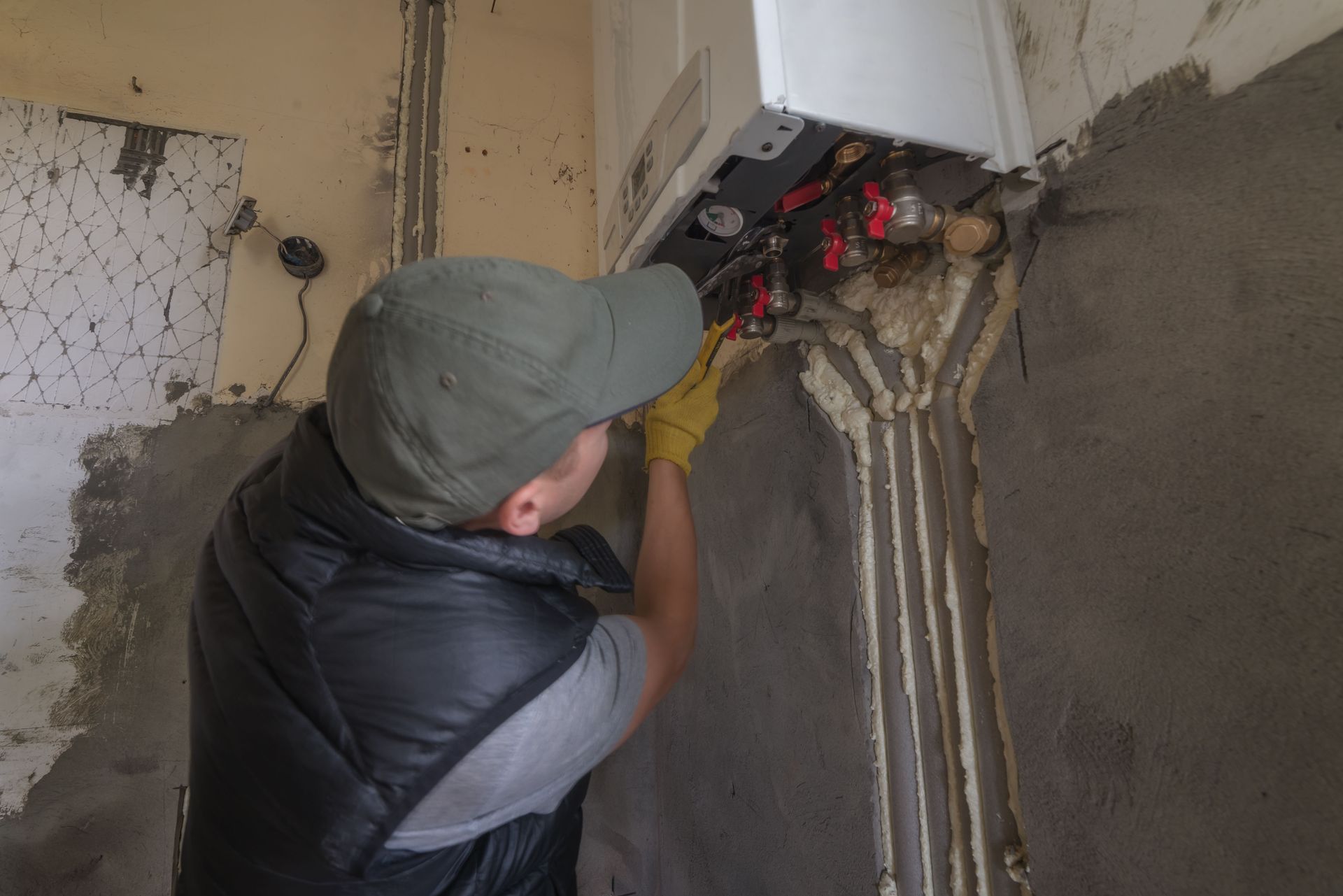
Scheduling an evaluation before winter allows you to make a plan while your existing system is still operational. A water heater contractor can determine whether your unit is likely to need replacement soon and explain what the installation process involves. Proactive planning also gives you time to coordinate service around your schedule rather than arranging an urgent replacement after an unexpected failure.
Improve Energy Efficiency and Household Comfort
An aging or poorly functioning water heater may consume more energy than necessary to provide your household with hot water. Sediment buildup, worn components, and other performance issues can interfere with efficient operation. If your utility bills have increased without an obvious explanation, your water heater may be one of the factors worth investigating.
Replacing an inefficient unit with a properly selected model may help reduce energy consumption while improving hot water availability. A knowledgeable water heater contractor can explain the differences between available systems and help you compare their operating requirements. Although the savings will depend on your current unit, household usage, energy prices, and replacement model, selecting an appropriate system can support more efficient operation throughout the year.
Avoid Rushed Decisions and Limited Options
Waiting until your water heater fails can make the replacement process more stressful. You may need to choose a new unit quickly, leaving less time to compare installation requirements, purchase costs, energy use, and maintenance needs. Planning in advance allows you to evaluate these considerations carefully and select a system that fits your household.
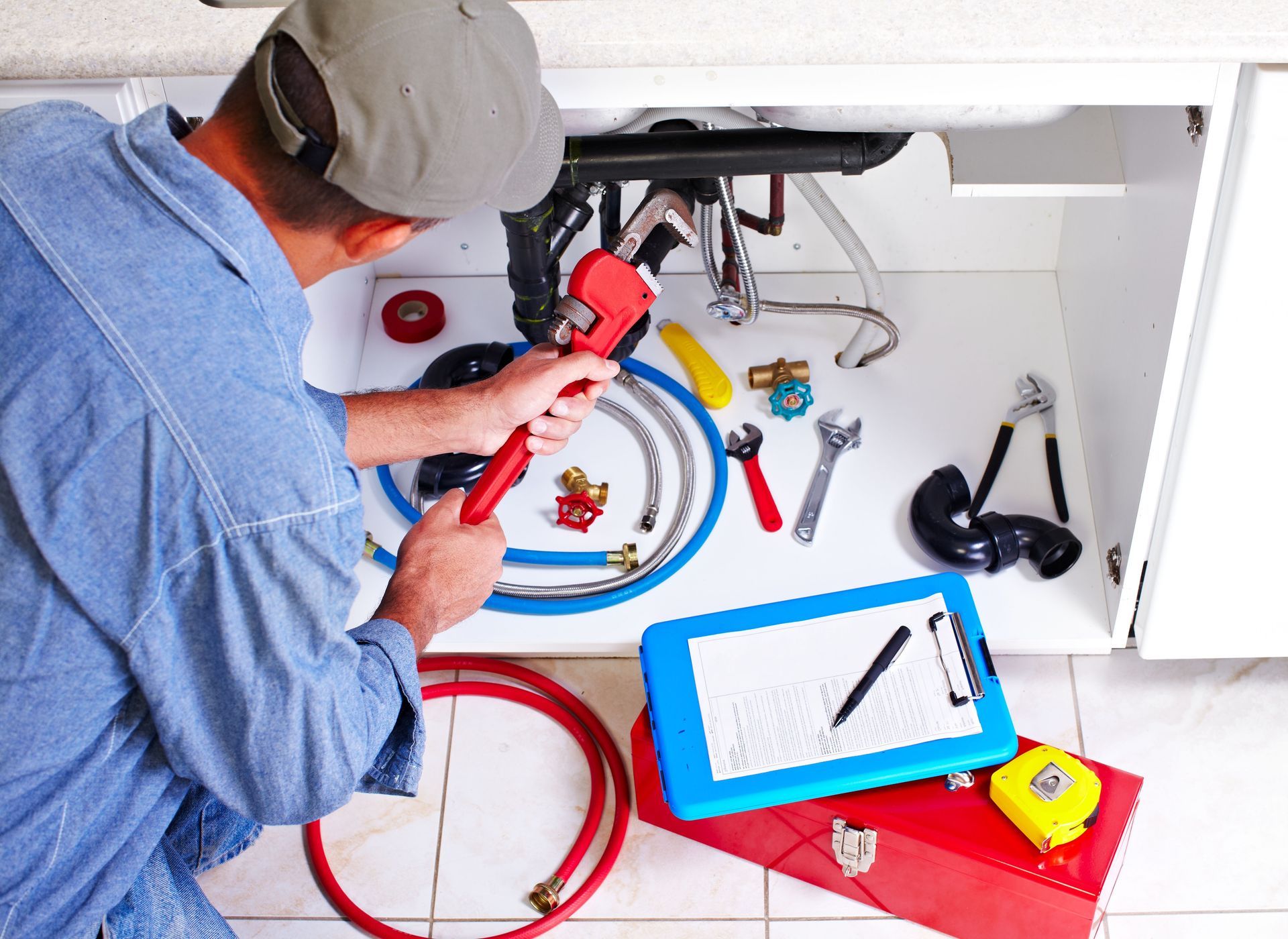
A water heater contractor can help you assess your daily hot water consumption, available installation space, fuel source, and budget before recommending suitable options. You can also discuss the expected installation timeline and whether any plumbing modifications may be necessary. Taking these steps before winter helps you approach replacement with a clearer understanding of the costs and practical considerations involved.
Choose the Right Water Heater for Your Household
Compare Tank and Tankless Systems
Traditional tank water heaters store a supply of heated water, making them a familiar option for many households. Their capacity should match your family's typical hot water demands to reduce the likelihood of running out during busy periods. Tankless systems heat water as it flows through the unit, providing hot water on demand without maintaining a large stored supply.
Each option has different installation requirements, operating costs, and performance characteristics. A water heater contractor can explain how tank capacity, flow rate, household size, and simultaneous hot water use affect your decision. Comparing these factors helps you select a system that suits your routines instead of choosing a model based solely on its purchase price or advertised efficiency.
Consider Your Fuel Source and Energy Goals
Water heaters are available in several configurations, including gas, electric, heat pump, and solar models. The best fit depends on factors such as your home's existing utilities, installation space, upfront budget, and long-term energy goals. Some systems may require additional electrical work, ventilation, or other modifications, which can affect the overall installation cost.
Discuss these considerations with a qualified professional before committing to a replacement. A water heater contractor can explain which options are practical for your property and outline the potential benefits and limitations of each system. Comparing installation expenses with expected operating costs can help you make a more informed decision about which water heater offers the best balance of comfort, efficiency, and affordability.
Schedule Professional Installation Before Temperatures Drop
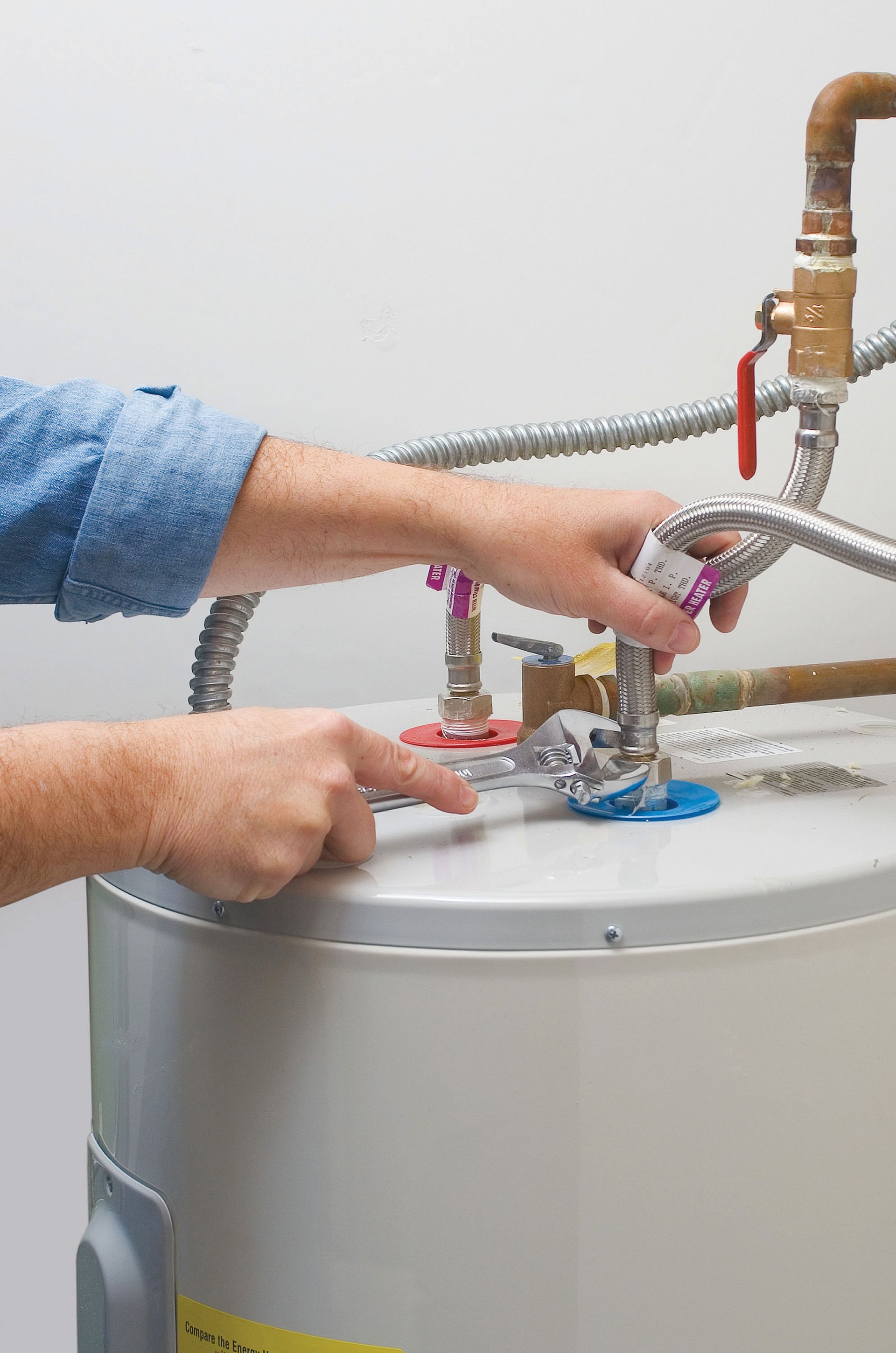
Once you have selected a replacement, arranging professional installation helps ensure the system is connected and configured correctly. Improper installation can contribute to leaks, performance problems, and safety concerns, particularly with gas-powered equipment. Professional service also provides an opportunity to check the relevant plumbing connections and confirm that the new unit is suitable for your household's requirements.
Scheduling ahead of winter gives you time to coordinate the work and address any additional installation needs. Your installer can explain how to operate the new system, discuss appropriate maintenance, and answer questions about its expected performance. With the right preparation, you can enter the colder season with a water heater designed to support your household's daily hot water needs.
Replacing your water heater before winter can be a practical decision if your current unit is aging, inefficient, or showing signs of failure. Evaluate its condition, compare suitable replacement systems, and arrange a professional assessment before a breakdown forces you to act quickly. Contact a professional from AM PM Plumbing to discuss your water heater replacement options and prepare your home for winter.