November 5, 2026
Purchasing a new property is one of the most significant financial investments you will make, requiring thorough due diligence to protect your bottom line. While standard home inspections cover general surface structures, hidden pipe defects can easily go unnoticed until expensive property damage occurs. Scheduling a comprehensive plumbing inspection with a trusted local plumber gives you total clarity regarding the physical condition of supply and drain lines before finalizing your purchase contract.
Identifying Underground Sewer Line Deterioration Early
Underground sewer pipes carry wastewater away from your home, but aging materials can settle, crack, or collapse under structural stress. Invasive tree roots naturally seek out damp pipe joints, breaking through outer walls and causing severe main line blockages over time. Scheduling professional drain and pipe camera assessments with an experienced plumber allows you to identify hidden structural voids or root intrusions before taking ownership. Catching these underground main line failures early gives buyers leverage to request seller repairs or price adjustments prior to closing.
Performing a targeted video camera inspection provides clear visual proof of the sewer main's interior condition from the home's drain stack all the way to the municipal connection. This high-definition footage reveals fine stress fractures, offset pipe segments, grease buildup, or sagging sewer sections known as bellies that trap debris. Discovering these severe underground deficiencies before completing a real estate purchase protects home buyers from facing unexpected backup emergencies, expensive excavation fees, or sudden repiping projects shortly after move-in day. Having concrete diagnostic evidence allows your real estate team to negotiate appropriate repair credits, escrow holds, or seller-funded sewer line replacements seamlessly.
Spotting Silent Fixture Leaks and Wasteful Runoff
Minor fixture leaks often appear harmless on the surface, but running water leads to substantial monthly utility costs and structural wood rot beneath flooring. Corroded supply lines, failing flappers, and high system pressure can silently waste thousands of gallons of water every year across residential properties. According to PropertyCasualty360, experts estimate that anywhere from 20% to 35% of all residential toilets lose water. Hiring a licensed local plumber to inspect every sink, shower, and toilet guarantees that internal seals function properly and that hidden leaks are repaired promptly.
Left unaddressed, even a slow toilet flapper leak or an dripping shower valve continuously erodes internal seal components, accelerating fixture wear and tear while increasing water bills month after month. Unnoticed leaks around sink bases or toilet flanges gradually seep into subflooring, warping wood joists and creating damp pockets where mold thrives out of sight. A skilled technician checks water pressure regulators, tests internal fill valves, and replaces worn washers or cartridges before minor trickles turn into costly property damage. Investing in complete fixture evaluations provides immediate utility savings, protects subflooring integrity, and ensures long-term operational reliability throughout your home.
Evaluating Water Heater Systems and Tank Conditions
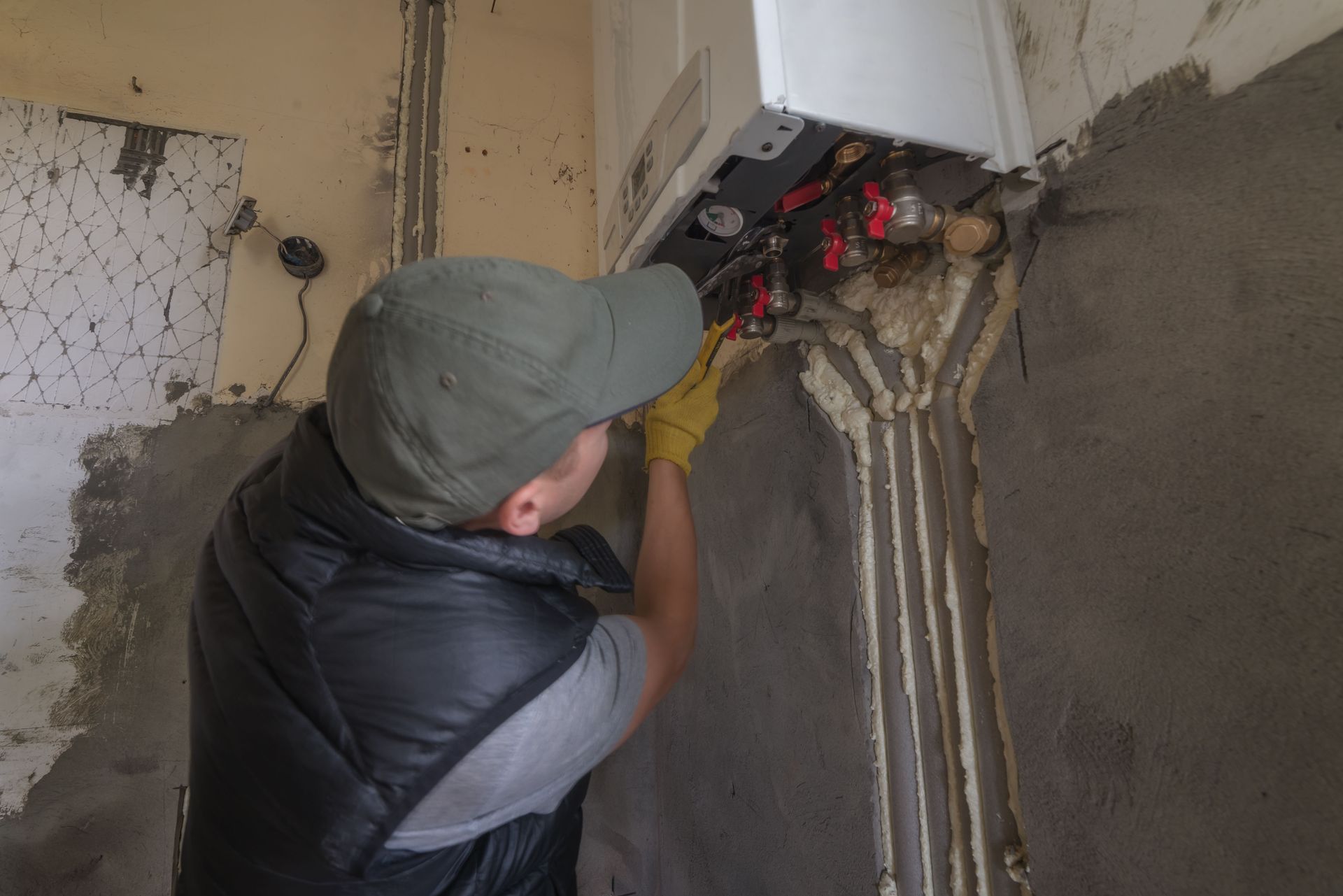
Water heaters represent a major operational component that requires careful physical evaluation during home buyer walkthroughs. Traditional tank water heaters typically suffer from interior sediment accumulation, failing sacrificial anodes, and corroded temperature pressure relief valves as they reach the end of their operational lifespan. Partnering with a reliable local plumber for water heater services allows you to assess current heating performance, check thermal efficiency, and determine if tankless water heater installation or repair is necessary. Identifying an aging water heating unit allows buyers to budget effectively for system upgrades before moving into the property.
Evaluating water heater performance also involves checking for subtle signs of tank expansion, thermal stress, or slow rust weeping along bottom seam welds. Heavy mineral buildup insulated at the base of the tank forces heating elements or gas burners to run far longer than necessary, driving up monthly utility bills while accelerating tank wall corrosion. Experienced technicians inspect expansion tanks, verify proper ventilation draft on gas models, and test high-limit safety cutoffs to ensure total operational safety. Uncovering these underlying thermal inefficiencies allows buyers to negotiate seller credits or plan a seamless transition to energy-efficient hot water equipment before moving day.
Detecting Hidden Wall Leaks and Pipe Corrosion
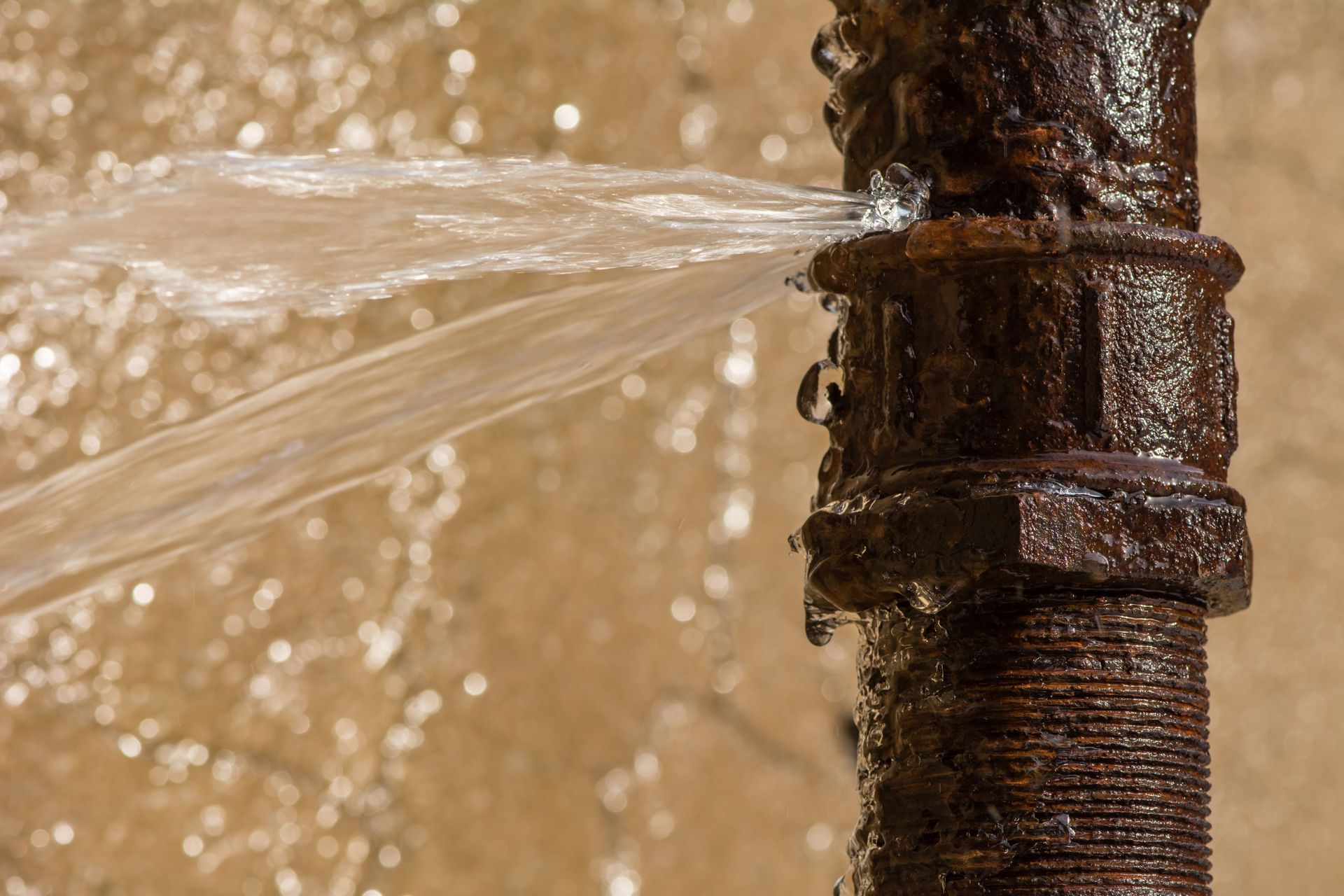
Supply pipes concealed behind drywall, ceilings, and crawlspaces can develop pinhole leaks due to internal metal oxidation or excessive municipal water pressure. Galvanized steel and early copper lines degrade over time, leading to reduced water pressure, discolored tap water, and dangerous mold growth behind finished surfaces. Consulting an expert local plumber for advanced leak detection and repiping services helps identify fragile pipe sections that require immediate replacement. Detecting pipe insulation deficiencies and hidden line corrosion prevents catastrophic pipe bursts during sudden freeze-thaw cycles.
When subtle pinhole leaks escape notice behind insulated exterior walls, slow water seepage quietly destroys acoustic ceiling tiles, warps timber framing, and ruins structural drywall partitions. Advanced acoustic leak detectors, thermal imaging cameras, and moisture meters allow specialized technicians to pin-point concealed pipe leaks precisely without needlessly tearing open surrounding finishes. Upgrading aging supply systems with modern, flexible PEX piping or high-grade copper protects your property from mineral scale restriction and ongoing structural rot. Proactively addressing hidden pipe corrosion guarantees consistent household water pressure, prevents emergency ceiling collapses, and maintains clean, unpolluted tap water throughout your home for decades to come.
Testing Sump Pump Systems and Flood Defenses
Lower-level basements and crawlspaces rely heavily on automatic drainage systems to clear heavy groundwater during severe rainstorms. A malfunctioning sump pump, stuck float switch, or failed check valve exposes mechanical spaces to severe basement flooding and structural foundation damage. Scheduling dedicated sump pump installation and repair checks with a skilled local plumber ensures your secondary check valves, basin capacities, and discharge lines are fully operational. Verifying that flood prevention equipment functions correctly provides absolute peace of mind during rainy seasonal transitions.
During comprehensive drainage evaluations, experienced technicians test back-up battery systems to guarantee continuous operation during severe weather power outages. Inspecting pit basins for accumulated sediment, mineral sludge, or foreign debris prevents mechanical impellers from binding under heavy usage. Technicians also confirm that exterior discharge pipes route standing water well away from your foundation footings, preventing saturated soil from exerting hydrostatic pressure against exterior basement walls. Ensuring your drainage system incorporates reliable secondary pumps, clear check valves, and unrestricted exit lines protects finished living areas, preserves underlying floor joists, and prevents costly water mitigation claims after torrential seasonal downpours.
Inspecting Gas Line Safety and Appliance Connections
Gas lines powering furnaces, water heaters, and kitchen ranges require strict safety compliance to protect your building envelope against hazardous leaks. Corroded gas pipe fittings, improper appliance connectors, or aging shutoff valves present serious safety risks that standard home walkthroughs frequently miss. Calling an authorized local plumber for certified gas line installation and repair services ensures every fuel line meets strict local safety standards. Conducting pressure tests across all gas line connections ensures your new property remains safe, energy-efficient, and secure from day one.
Beyond basic visual inspections, certified technicians perform specialized pressure decay tests and utilize sensitive electronic gas sniffers to detect micro-leaks along hidden pipe joints. Over time, improper DIY connections, flexible corrugated stainless steel tubing without bonding, or outdated threaded joints can slowly leak natural gas or propane into enclosed wall cavities. Licensed professionals verify that all shutoff valves are easily accessible and operate smoothly in emergencies, while ensuring appliance regulators maintain correct pressure levels.
Protecting your investment begins with identifying hidden plumbing risks before closing on your new property. Contact AM PM Plumbing today to schedule a comprehensive plumbing inspection, leak detection evaluation, or drain line service with our experienced team.