November 10, 2026
Winter weather brings significant challenges to residential plumbing, particularly when temperatures swing above and below the freezing mark. Understanding the mechanical stress that freeze-thaw cycles exert on your pipes helps you protect your property from catastrophic water damage. Being proactive with your plumbing infrastructure ensures your home remains safe, efficient, and dry all season long.
Understanding the Physics of Freezing Water
When water freezes, it behaves unlike almost any other liquid on the planet. Instead of contracting as it cools, water expands by roughly nine percent as it shifts from a liquid state into solid crystalline ice. Inside the confined cylindrical chamber of a household pipe, this natural volumetric expansion requires extra space that rigid materials simply cannot accommodate.
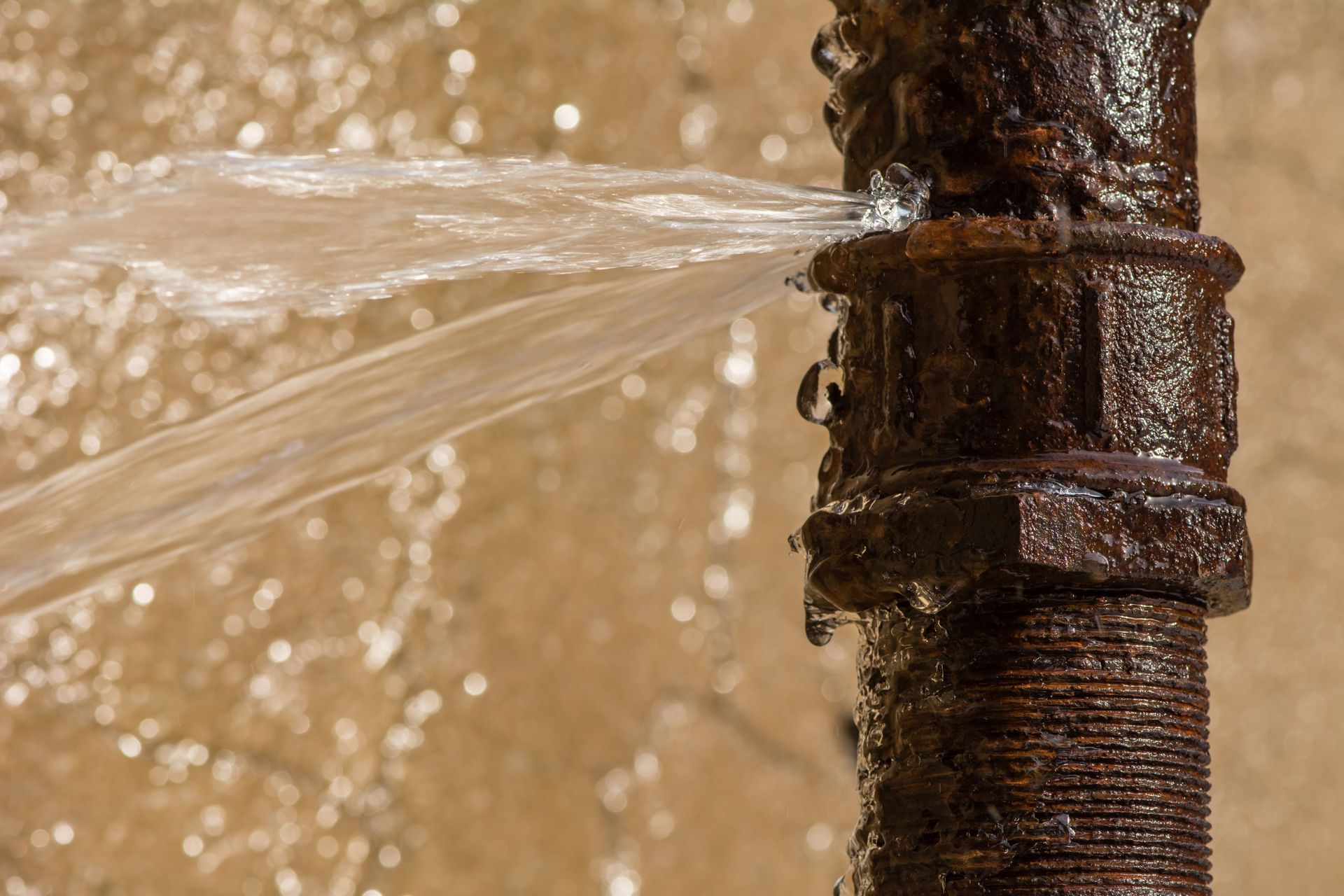
Contrary to popular belief, the structural rupture rarely happens directly at the location where the ice plug forms. As an ice blockage develops inside a water line, it acts as an immovable stopper. The real danger stems from the immense downstream hydraulic pressure that builds between the ice dam and a closed plumbing fixture, such as a sink faucet or shower valve. Trapped water has nowhere to go, and the pressure steadily mounts from standard household levels of 40 to 60 pounds per square inch to several thousand pounds per square inch. Eventually, this trapped hydraulic pressure exceeds the tensile strength of the pipe wall, forcing the metal or plastic to tear open.
Examining the Impact of Repeated Thermal Cycling
A single deep freeze presents serious danger, but alternating freeze-thaw cycles often inflict the most cumulative damage on plumbing systems. When the thermometer plummets at night and climbs back above freezing during the afternoon, your pipes go through continuous cycles of expansion, contraction, and localized pressure spikes. This repetitive thermal movement weakens joints, loosens solder connections, and introduces microscopic stress fractures along straight runs of pipe.
Repeated cycles also create recurring friction between water lines and surrounding building materials. As pipes expand and contract against wood studs, concrete foundations, and metal hanging brackets, the protective outer casing can wear down. Professional plumbing companies frequently encounter pipe systems that did not fail during the initial winter freeze, but instead gave out after the fourth or fifth consecutive temperature swing. Over time, these thermal fluctuations turn minor structural vulnerabilities into catastrophic pipe splits.
Spotting Warning Signs Before Complete Pipe Failure
Pipes rarely rupture without providing at least a few subtle indicators that something is amiss. Recognizing these early warning symptoms allows property owners to intervene before a hairline fracture transforms into an indoor waterfall. Being observant during sudden cold snaps can mean the difference between a simple service call and thousands of dollars in structural remediation.
Even minor cracks that weep slowly behind drywall demand prompt professional attention. According to ComfyLiving, small leaks can waste around 10,000 gallons of water per year. That continuous hidden moisture can silently rot wooden framing, compromise insulation value, and foster extensive mold colonies long before you notice water pooling along baseboards.
Navigating Pipe Replacement and Repair Solutions
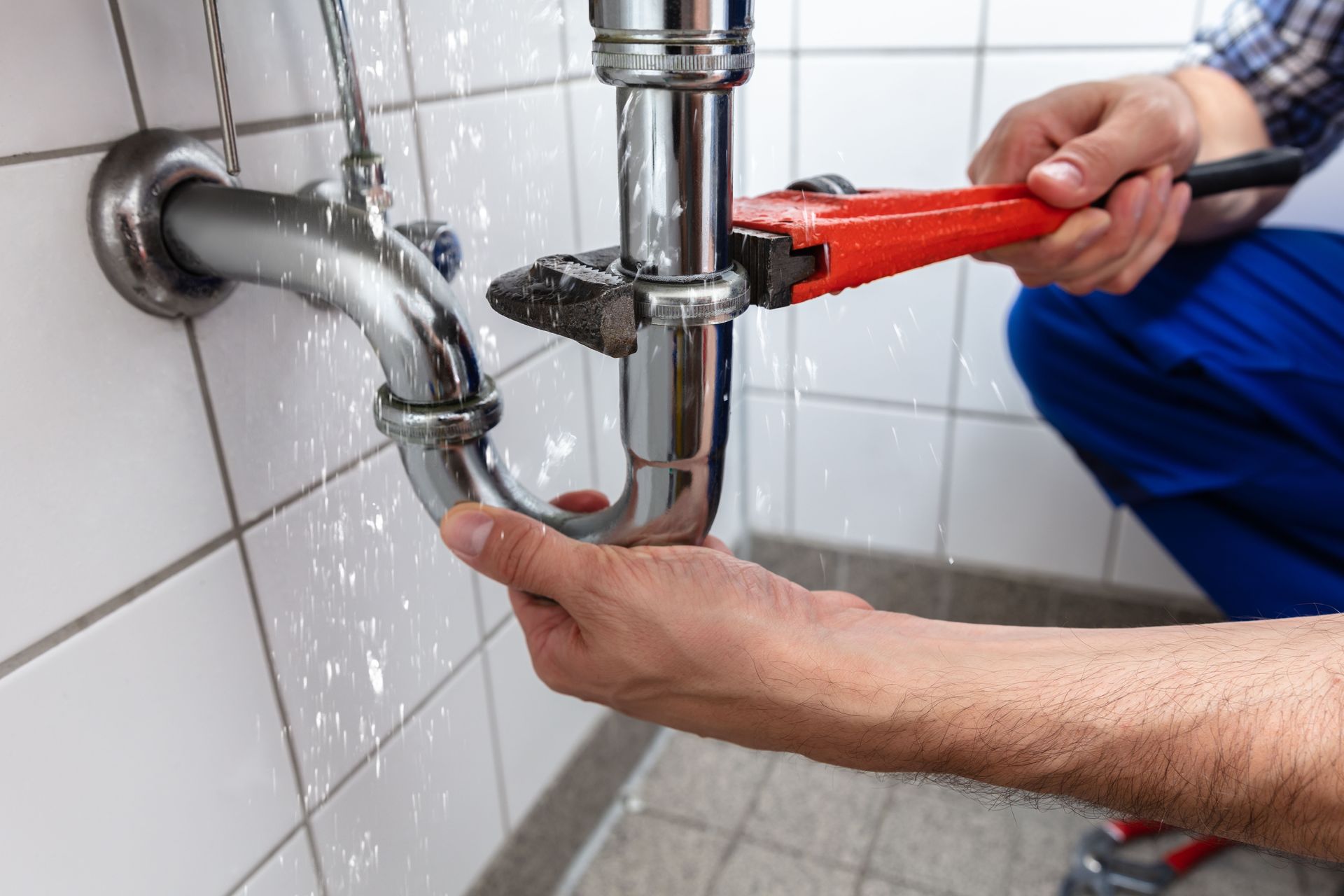
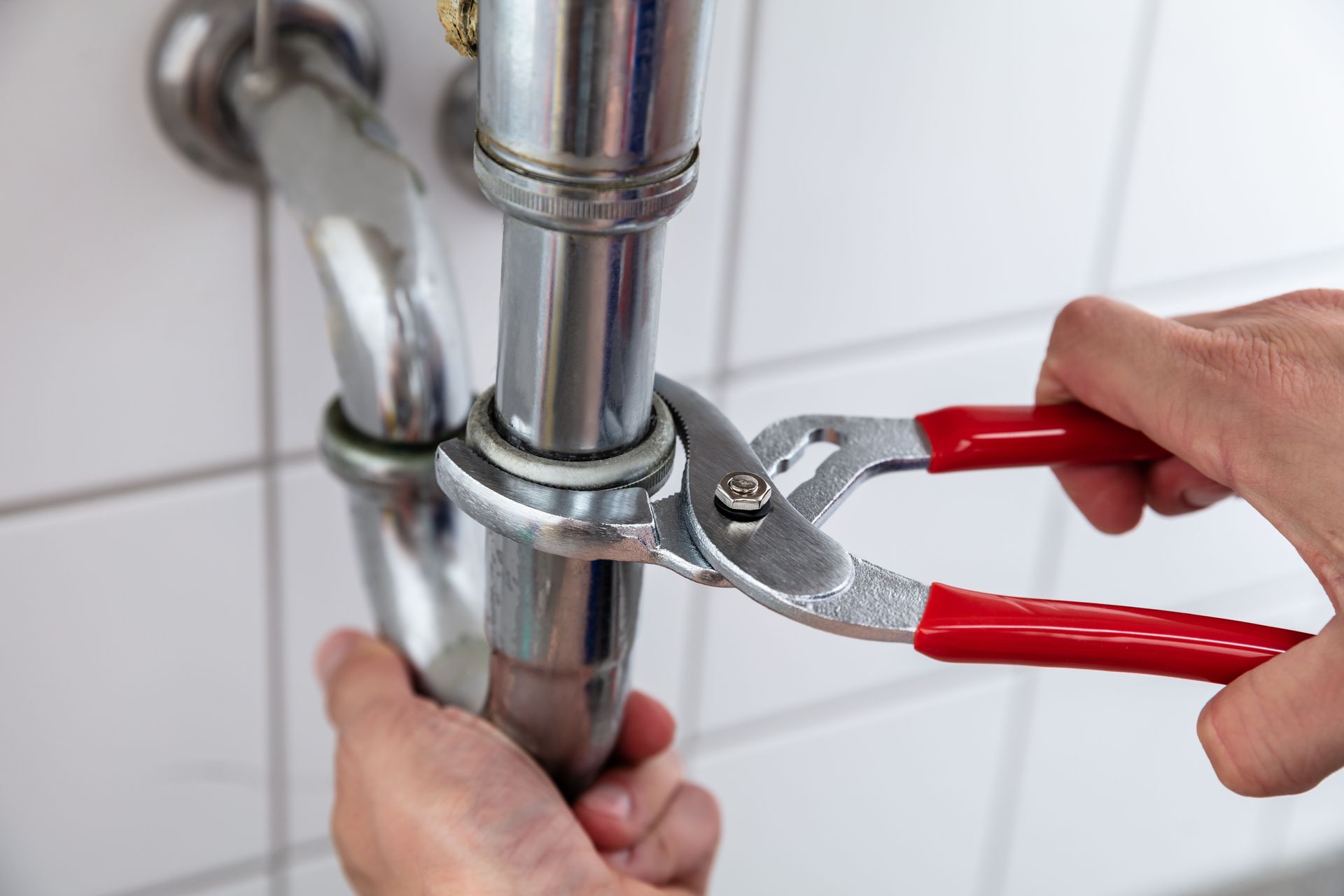
When freeze-thaw stress breaches a water line, immediate action is required to stabilize the building and restore safe water delivery. Turning off the main water shutoff valve stops pressurized flooding, but repairing the damaged run requires precise mechanical knowledge. Modern plumbing companies rely on specialized leak detection equipment and advanced materials to replace compromised sections quickly and effectively.
Depending on the age and layout of your property, resolving damaged pipe infrastructure may involve targeted repairs or complete pipe replacement. While traditional copper piping offers long-term durability, it remains prone to splitting when water freezes inside uninsulated chases. Modern cross-linked polyethylene, commonly known as PEX, provides increased flexibility and can expand slightly under freezing conditions without immediate rupturing. Skilled plumbing companies evaluate your property layout, identify areas exposed to thermal fluctuations, and install durable replacement piping that minimizes your risk of future seasonal failures.
Maintaining Water Heaters and Supporting Fixtures
Freeze-thaw cycles place severe demands on your entire domestic water system, including water heating equipment. During deep winter, incoming municipal water enters your building at much colder baseline temperatures. That drop forces your water heater to work considerably harder and cycle more frequently to deliver desired hot water temperatures throughout the day.
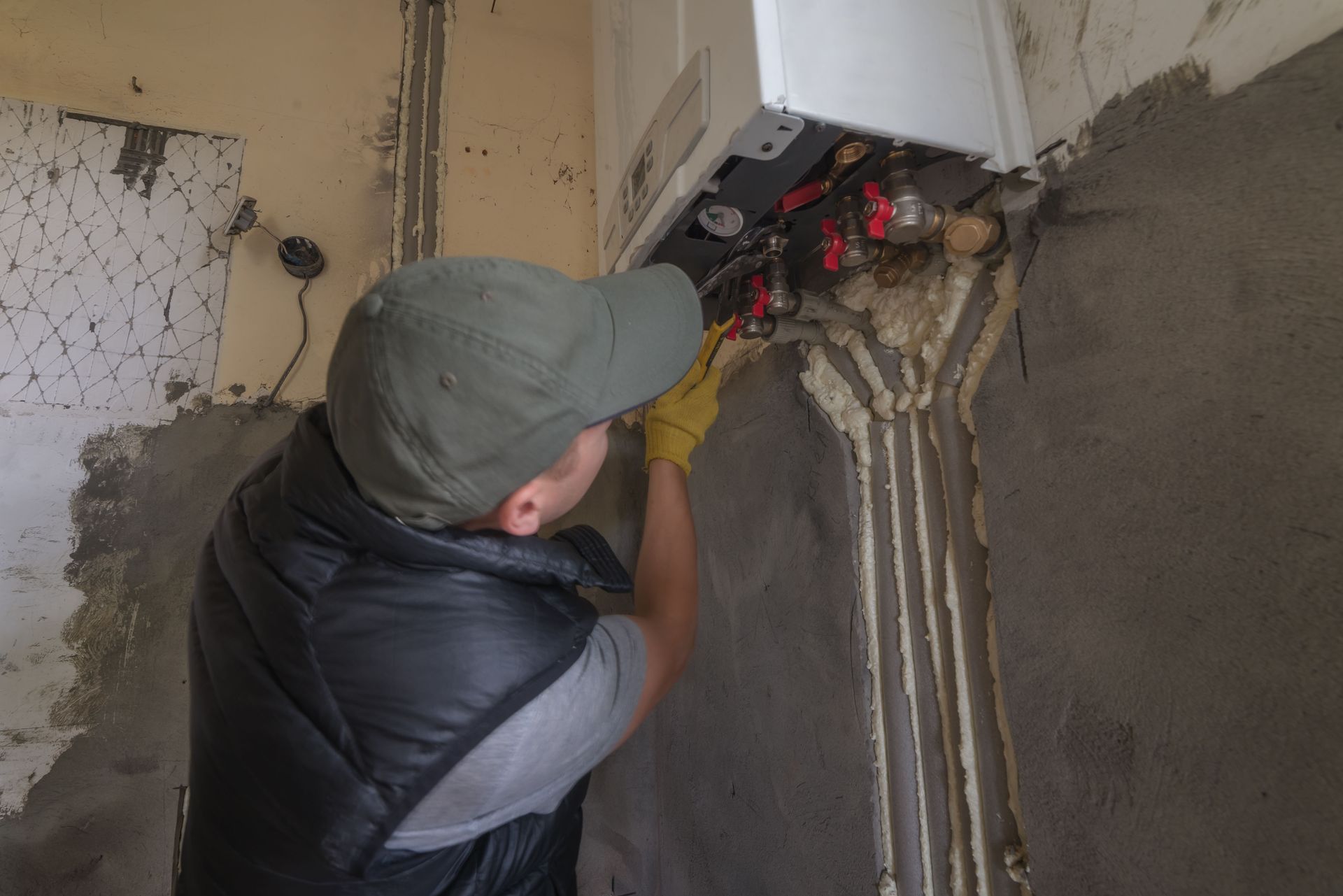
Cold weather stress highlights the need for comprehensive water heater services, whether you operate a traditional storage tank or a modern on-demand system. Sudden pressure drops caused by frozen branch lines or failing expansion tanks can strain internal heating elements and valves. Reliable plumbing companies help property owners service aging heating units, address sediment accumulation, and install tankless water heater systems that deliver consistent hot water output through the coldest winter months. Routine maintenance ensures your water heating equipment operates efficiently and safely regardless of exterior conditions.
Clearing Clogs and Protecting Drain Infrastructure
While pressurized supply pipes get most of the attention during winter freezes, wastewater drains and sewer pipes face their own cold-weather risks. Waste lines contain standing water, grease residues, and organic solids that can thicken, slow down, and freeze if air drafts penetrate crawlspaces or under-slab cavities. A sluggish drain line that freezes solid creates an unyielding backup that prevents sinks, toilets, and floor drains from discharging wastewater.
Clearing winter drainage obstructions requires commercial-grade snakes and high-powered mechanical clearing techniques. Experienced plumbing companies use advanced diagnostics to pinpoint hidden blockages, clear thick grease plugs, and repair fractured drain lines. Maintaining smooth, unobstructed wastewater flow ensures graywater and blackwater exit your structure immediately, preventing foul odors, sewer backups, and secondary water contamination inside your finished spaces.
Safeguarding Gas Lines and Connected Household Appliances
Severe winter storms and freeze-thaw shifts in surrounding ground soil also affect outdoor utility connections, including residential and commercial gas piping. As frozen topsoil expands and contracts, underground movement can stress buried lines, meter connections, and exterior pipe joints. Because gas line integrity directly impacts household safety, maintaining these connections requires strict adherence to safety standards.
Professional plumbing companies provide certified gas line services to verify proper pressure, repair worn joints, and install secure hookups for gas furnaces, water heaters, and heavy appliances. Certified technicians also handle appliance installation and repair for critical household equipment, including dishwashers and garbage disposals. Ensuring every water-using and gas-powered appliance is properly connected protects your living space from dangerous gas leaks, unexpected electrical shorts, and mechanical failures during harsh winter weather.
Selecting Qualified Technicians for Winter Plumbing Emergencies
When plumbing emergencies strike in the middle of freezing weather, attempting unguided repairs can worsen structural damage. Using an open flame to thaw frozen lines, for instance, introduces severe fire hazards and can cause overheated pipes to burst instantaneously.
Reputable contractors offer 24/7 emergency service to address burst lines, failed water heaters, and active drain backups the moment they happen. Choosing a locally owned service provider ensures technicians understand the regional weather patterns, local municipal plumbing codes, and specific structural challenges of homes in your community. Experienced technicians not only repair the visible rupture, but they also evaluate the surrounding plumbing network to insulate vulnerable runs and prevent repeat failures later in the season.
Freeze-thaw cycles exert immense physical pressure on your home's water lines, turning small vulnerabilities into costly emergencies. Addressing pipe damage quickly, scheduling routine fixture maintenance, and protecting vulnerable plumbing lines keeps your home safe and functional all year. For dependable pipe replacement, drain cleaning, water heater repair, and round-the-clock emergency support, contact AM PM Plumbing to protect your home today.