May 12, 2026
The comfort of a modern home is often defined by the quiet reliability of its utilities, yet few systems are as essential—or as frequently overlooked—as the water heater. From the warmth of a morning shower to the sanitization of laundry and dishes, this appliance works tirelessly behind the scenes to maintain a standard of living that many take for granted. However, the internal environment of a heating tank is inherently hostile, characterized by fluctuating pressures, high temperatures, and the corrosive nature of mineral-laden water. Without expert intervention, these forces slowly degrade the system, leading to premature failure and unexpected domestic disruptions. Enlisting the help of specialized professionals is the most effective way to safeguard this vital investment.
Reliability is not an accident of manufacturing; it is a result of consistent, high-level care. Homeowners who wait for a leak or a loss of temperature before seeking assistance often find themselves facing expensive replacements rather than simple repairs. By contrast, those who establish a relationship with professional water heater contractors can enjoy peace of the mind knowing that their system is being monitored by trained eyes. These experts possess the technical knowledge to identify the subtle warning signs of wear that an untrained individual would likely miss. Through a combination of preventative measures and precision adjustments, they ensure that the system operates at peak efficiency for as long as possible.
Identifying Potential Points Of Failure
The first step in preserving any mechanical system is understanding where it is most vulnerable. A water heater is a complex assembly of valves, heating elements, and protective linings, all of which must function in perfect harmony. Over time, the constant expansion and contraction of the tank as it heats and cools can create stress fractures. Furthermore, the presence of sediment can cause the bottom of the tank to overheat, leading to a weakened structure.
Professional water heater contractors are trained to perform comprehensive inspections that target these specific vulnerabilities. They check for signs of moisture around the base, corrosion on the pipes, and the proper operation of the temperature and pressure relief valve.
By identifying these issues in their infancy, professionals can implement minor fixes that prevent catastrophic breakdowns. For example, a slightly corroded fitting might seem insignificant, but it is often the precursor to a major leak that could flood a basement or crawlspace. These technicians use specialized tools to measure the integrity of the tank and the functionality of the electrical or gas components. This proactive approach ensures that the system remains a reliable source of comfort rather than a ticking clock of potential property damage.
Maintaining Optimal Efficiency Through Cleaning
One of the greatest enemies of an aging water heater is the accumulation of mineral deposits. As water is heated, minerals like calcium and magnesium settle at the bottom of the tank, forming a thick layer of scale. This buildup acts as an insulator between the burner or heating element and the water, forcing the system to work much harder and run much longer to reach the desired temperature. This added strain not only increases energy costs but also subjects the tank material to excessive heat, which can lead to metal fatigue.
Regularly flushing the tank is a critical task that many homeowners overlook or perform incorrectly. When water heater contractors handle this process, they ensure that the tank is completely cleared of debris without damaging the delicate internal components. They also check the dip tube, which directs cold water to the bottom of the tank, to ensure it has not degraded. By maintaining a clean internal environment, these professionals help the system run smoothly and quietly, significantly reducing the mechanical stress that leads to early retirement. According to The Spruce, a water heater typically lasts for eight to 12 years with proper maintenance.
Monitoring The Health Of Anode Rods
Deep inside the water heater resides a silent guardian known as the sacrificial anode rod. This component is designed to attract corrosive elements in the water, essentially allowing itself to be eaten away so that the steel tank remains untouched. It is a brilliant piece of engineering, but it has a limited lifespan. Once the anode rod is completely depleted, the corrosive forces of the water turn their attention to the walls of the tank itself. If this happens, a rust-through leak is inevitable, and the system must be replaced immediately.
Checking and replacing these rods is a technical task that requires specific tools and an understanding of water chemistry. Professional water heater contractors evaluate the condition of the rod during every service visit. If the rod is heavily pitted or worn down to the wire core, they replace it with a new one, effectively resetting the tank’s defense against rust.
Regulating Internal Pressure And Temperature
Excessive pressure is a silent killer of water heating systems. Thermal expansion occurs whenever water is heated, and if the plumbing system is closed, this pressure has nowhere to go. High pressure puts immense strain on the tank’s welded seams and can cause the relief valve to drip constantly. Similarly, setting the temperature too high can accelerate the formation of scale and increase the risk of accidental scalding. Finding the "sweet spot" where the water is hot enough for household needs but not so hot that it damages the equipment is a delicate balance.
Expert technicians calibrate these settings to match the specific needs of the household and the local water conditions. They test the expansion tank, if one is present, to ensure it is properly pressurized and capable of absorbing thermal spikes. Water heater contractors also verify that the thermostat is accurate and that the safety sensors are responsive.
Optimizing Connections For Safety And Flow
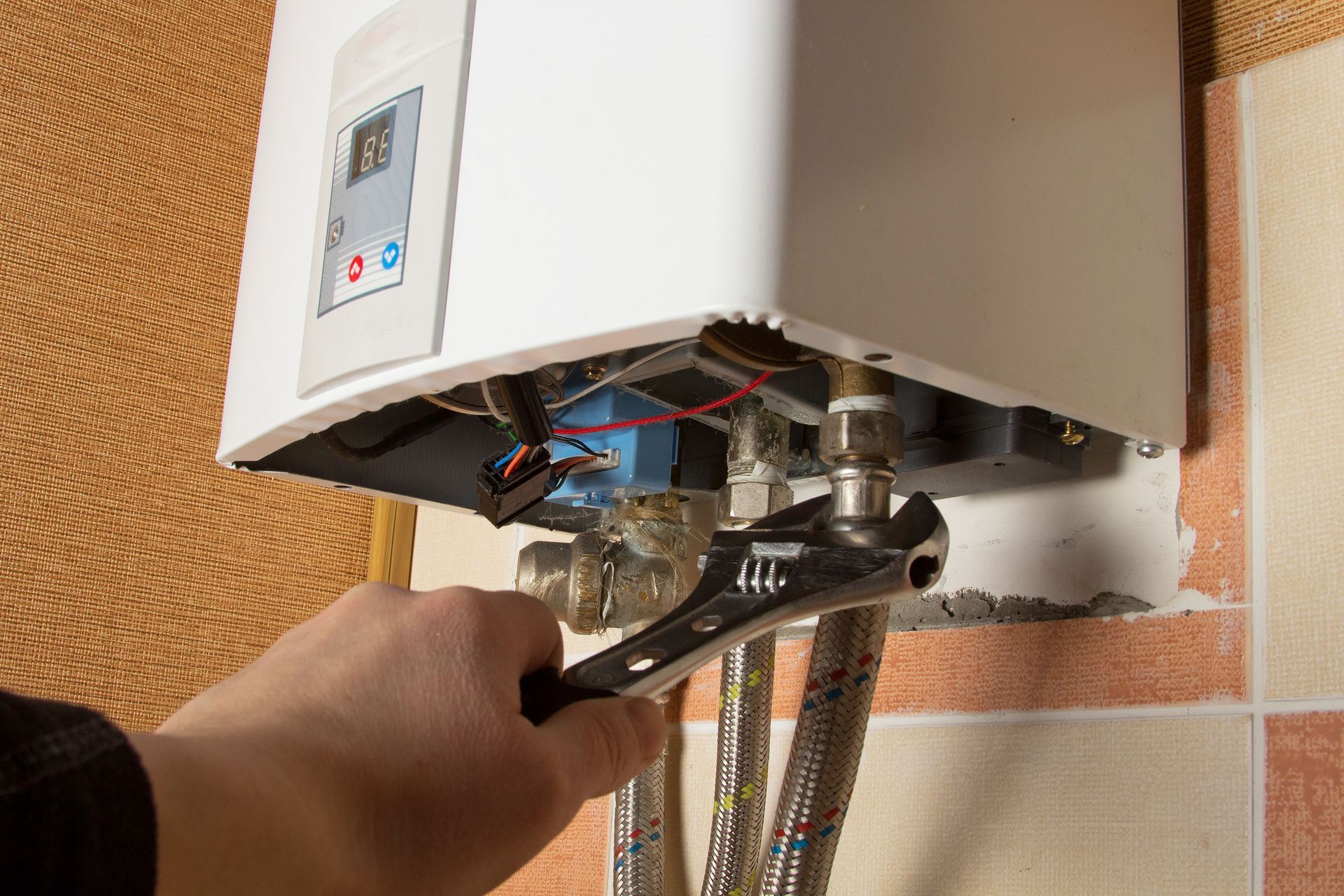
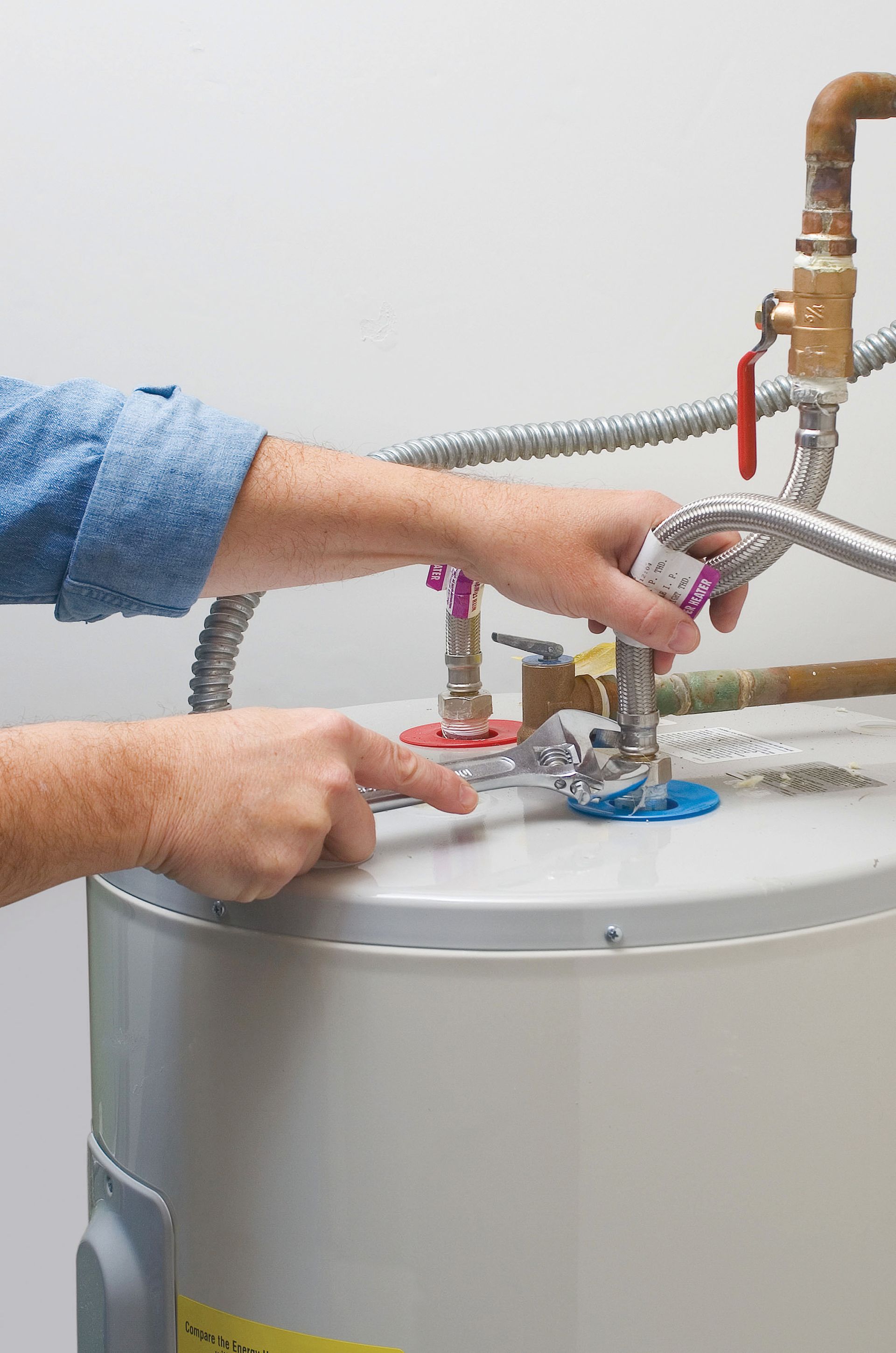
The points where the water heater connects to the rest of the home are critical for both performance and safety. Gas lines, electrical circuits, and water pipes must all be joined with precision to prevent leaks and fire hazards. Over years of operation, vibrations and temperature swings can cause these connections to loosen or degrade. Furthermore, if dissimilar metals are joined without the proper dielectric unions, a process called galvanic corrosion can rapidly destroy the pipes at the point of contact.
Upgrading Components For Enhanced Performance
As a system ages, certain parts may become obsolete or less efficient than modern alternatives. In many cases, replacing a single aging component can revitalize an older unit and prevent the need for a full replacement. For instance, modern heating elements are often designed with coatings that resist scale buildup, and newer thermostats offer better precision. Specialized water heater contractors stay abreast of these technological advancements and can recommend targeted upgrades that improve the system's resilience.
The longevity of a home’s water heating system is a direct reflection of the quality of care it receives. While these appliances are built to be robust, they are not invincible. The combination of heat, water, and pressure creates a demanding environment that requires professional vigilance. By investing in the services of skilled water heater contractors, homeowners can avoid the stress of cold showers and the high cost of emergency replacements. The result is a utility that remains efficient, safe, and reliable for many years, providing the consistent comfort that every household deserves.
As the collective voice of our team, we are dedicated to ensuring that your home remains a sanctuary of warmth and reliability. At AM PM Plumbing, we stand ready to provide the expert care and technical precision necessary to maximize the life of your essential systems.