May 14, 2026
Water heaters play a central role in maintaining comfort and functionality within a home, supplying hot water for daily tasks such as bathing, cooking, and cleaning. Because they operate consistently behind the scenes, issues can go unnoticed until they escalate into larger problems. Recognizing early warning signs allows homeowners to take action before minor inefficiencies become major disruptions that require extensive water heater repairs or full system replacement. Paying attention to subtle changes in performance can help prevent unexpected breakdowns and reduce the likelihood of emergency service calls. Even small inconsistencies, like slight temperature shifts or unfamiliar sounds, can serve as early warnings worth investigating.
Ignoring these indicators can lead to higher energy bills, reduced performance, and even safety risks such as leaks or pressure buildup. Staying proactive helps preserve the unit's lifespan and ensures reliable performance. According to the DOE, addressing water heater repairs promptly and scheduling periodic maintenance minimizes efficiency loss while extending a traditional unit's lifespan up to 15 years and a tankless model to over 20 years. Routine maintenance also helps maintain consistent water quality and energy efficiency while supporting long-term reliability. Establishing a simple maintenance routine can go a long way in avoiding unnecessary stress and expenses.
Recognizing Unusual Noises
Strange sounds coming from a water heater are often one of the first signs that something is wrong. Rumbling or popping noises typically indicate sediment buildup at the bottom of the tank. Over time, minerals from hard water settle and harden, forcing the unit to work harder to heat water. This added strain reduces efficiency and can eventually damage the tank. If left unaddressed, sediment buildup can also lead to overheating in certain areas of the tank, increasing wear on internal components and shortening the system's lifespan. In more advanced cases, this buildup can create hot spots that weaken the tank lining, making it more susceptible to cracks or failure. Regular maintenance, including flushing the tank, can help prevent these issues and keep the system running more efficiently.
Hissing or sizzling sounds may point to moisture interacting with internal components, often signaling a leak or pressure issue. Whistling or banging noises can be tied to valve problems or trapped air within the system. These sounds may also indicate fluctuating pressure levels that can stress the tank and connected plumbing. Addressing these sounds early can prevent the need for more extensive water heater repairs and help maintain steady performance. Routine flushing and inspections can significantly reduce the likelihood of these noises developing into larger concerns, while also improving overall efficiency and extending the unit's usable life. Being attentive to new or changing sounds can make a noticeable difference in long-term system health.
Identifying Temperature Inconsistencies
Fluctuating water temperatures are a clear sign that a water heater is not functioning properly. If water fails to heat adequately, the issue may stem from a faulty thermostat, worn heating elements, or problems with the power or fuel supply. Inconsistent temperatures can also result from sediment interfering with heat transfer inside the tank, making it harder for the system to maintain a steady output. These disruptions can become more noticeable during peak usage times when demand is higher, leading to frustration and inconvenience for households.
Overheating presents another concern, increasing the risk of scalding while driving up energy costs. On the other hand, slow heating or a limited hot water supply may indicate aging components or internal buildup. In some cases, households may notice that hot water runs out faster than usual, which can be tied to reduced tank capacity caused by sediment accumulation. Addressing these issues promptly helps restore comfort while preventing additional wear that leads to costly water heater repairs. Regular system checks can help maintain consistent performance over time and ensure reliable hot water availability throughout the home.
Observing Changes in Water Quality
Water quality can reveal a great deal about the condition of a water heater. Rust-colored water often suggests corrosion inside the tank, typically due to a failing anode rod. If left unresolved, this corrosion can lead to leaks and eventual tank failure. Discoloration that appears only when using hot water is a strong indicator that the issue originates within the water heater rather than the broader plumbing system. Monitoring these changes regularly can help prevent long-term damage and maintain better water clarity.
Cloudy water or unpleasant odors may indicate sediment accumulation or bacterial growth within the system. A metallic taste can also signal internal deterioration. In some cases, mineral deposits can break loose and travel through plumbing fixtures, affecting water clarity and usability. These changes not only affect water quality but also point to underlying issues that require attention. Monitoring these signs helps homeowners act early and reduce the likelihood of extensive water heater repairs while preserving the overall quality of the home's water supply.
Detecting Leaks and Moisture Issues
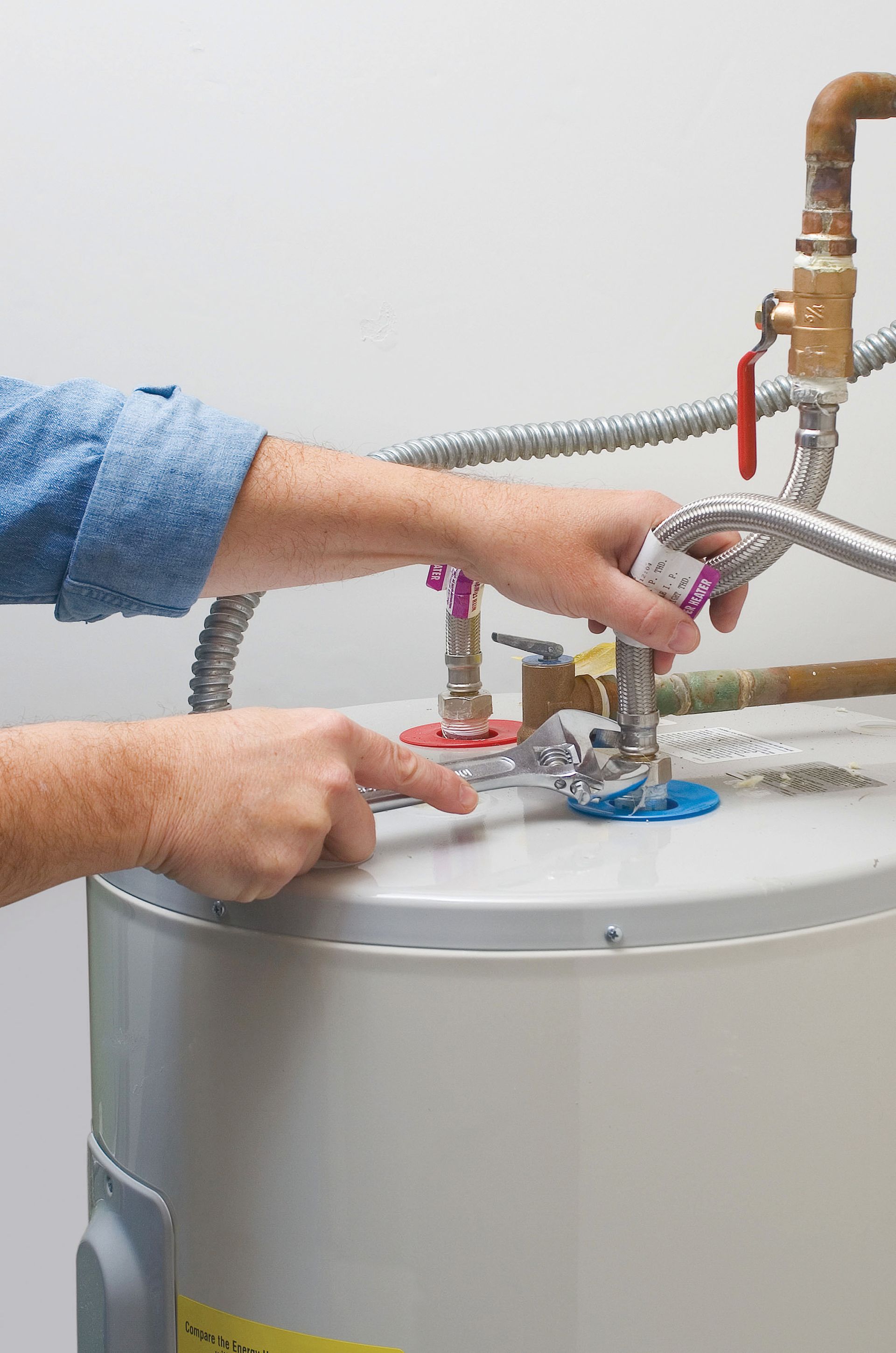
Any sign of water around a heater should be taken seriously. Small puddles near the base of the unit can indicate cracks, loose connections, or failing valves. Even minor leaks can escalate quickly, causing water damage to floors, walls, and nearby structures. Over time, persistent leaks can also contribute to mold growth and deterioration of surrounding materials, increasing repair costs beyond the water heater itself. In some cases, leaks can also affect nearby electrical components, creating additional safety concerns that should not be overlooked.
Moisture buildup, dripping sounds, or increased humidity around the unit may point to hidden leaks that are not immediately visible. Condensation can sometimes mask more serious problems, making it important to distinguish between normal operation and developing issues. Addressing these problems early can prevent structural damage and avoid more complex water heater repairs. Regular inspections of connections, fittings, and surrounding areas help catch leaks before they worsen and ensure the system remains safe and efficient. Staying proactive with inspections can significantly reduce long-term repair costs.
Monitoring Pressure and System Performance
Reduced water pressure is another sign that a water heater or plumbing system may be experiencing issues. Sediment buildup can restrict water flow, while corroded pipes or clogged lines further limit pressure throughout the home. These restrictions force the system to work harder, reducing efficiency over time and potentially increasing energy usage. Inconsistent pressure may also impact appliances that rely on hot water, affecting their performance and longevity. Addressing pressure issues early can help maintain consistent household functionality and avoid added strain on the system.
Malfunctioning valves, including the pressure relief valve, can also disrupt proper operation. This component plays a critical role in maintaining safe pressure levels within the tank. When it fails, it can lead to inconsistent performance or even hazardous conditions such as excessive internal pressure. Keeping an eye on pressure changes helps identify when water heater repairs are necessary to maintain safe and efficient operation. Routine maintenance and professional evaluations can ensure that all components are functioning as intended and that the system continues to operate reliably for years to come.
Staying attentive to these warning signs can make a significant difference in how well a water heater performs over time. Early detection and timely maintenance reduce the risk of unexpected breakdowns and help extend the life of the unit. Consistent care not only improves efficiency but also ensures that the system continues to meet the demands of daily use. For more information about the services that we offer, reach out to our incredible team at AM PM Plumbing today!